A Path I Didn’t Know Was Possible
There are moments when you realize that a path has quietly unfolded beneath your feet long before you were consciously aware of it. This journey has been one of those moments. It has carried me into territory I did not know was possible, not because it was unreachable, but because it required a different kind of attention. A slower, more intentional awareness of what my mind and body were asking of me.
Part of this process has been learning to listen more closely. To recognize when something aligns with the direction I’m building, and when something—even if productive on the surface—would ultimately be detrimental. That awareness has required a willingness to say no, something I had not prioritized in the past.
When Vectors to Final Found Its Voice
Launching Vectors to Final has been a profound blessing. It allowed something authentic and long-developing to finally come into focus. I have always been creative and artistic, but I’ve also carried a deeply analytical way of thinking—one rooted in structure, systems, and disciplined processes. Those two modes of thought are often treated as separate, even incompatible, yet Vectors to Final exists precisely where they intersect.
The work demanded immersion. For a long time, I worked seven days a week, building something I had never seen before in the art world. That process brought tremendous joy. Discovery does that. It energizes, excites, and reinforces the sense that you are exactly where you should be. But immersion without awareness can quietly drift into excess.
Learning to Respect the Human System
One of the most important lessons in this chapter has been understanding that creativity does not exist independently of the person creating it. The mind and body are systems, just like the aircraft and structures that inspire much of my work. Systems require maintenance, awareness, and respect for limits.
In the past, I pushed far beyond mine. I was in an environment that was blind to exhaustion. Demands were something to be persevered & overcome rather than acknowledged. Over time, that approach exacted a cost. Mental and physical exhaustion are not abstract concepts; they are signals. Ignoring them does not nurture your gift. It suffocates it.
This time, I chose differently. I gave myself permission to step away when it became necessary, without guilt or shame. That decision was not a retreat from the work. It was an act of stewardship over it.
I made a decision to protect what had been entrusted to me. To refuse situations that would diminish the gifts and blessings that made this work possible in the first place.
That decision led me to Florida.
Renewal Along the Florida Coast
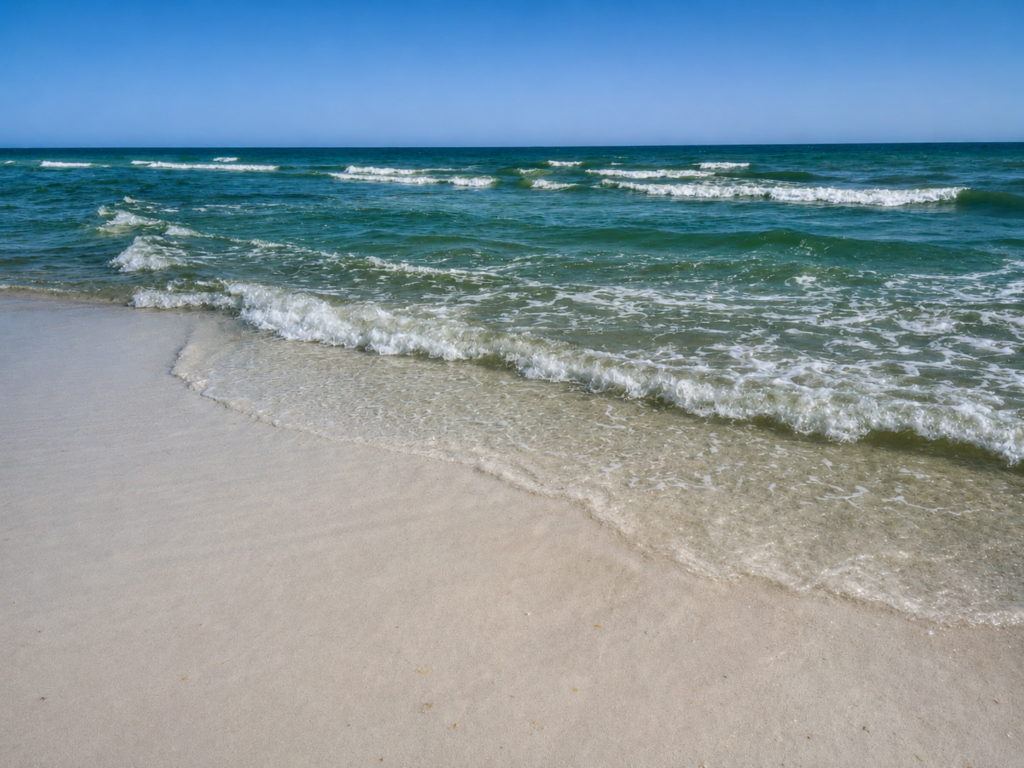
That choice led me to Florida. Time spent along white sandy beaches created space to breathe, reflect, and recalibrate. Reading, walking, and allowing my mind to slow became part of restoring balance. My final stop was Naval Air Station Pensacola, where I watched the Blue Angels perform with extraordinary precision and spent time among historic aircraft representing every era of aviation history.
There is something grounding about witnessing mastery in motion and craftsmanship preserved through time. It reinforces why aviation continues to resonate so deeply within my work. Aviation is not only about speed or power. It is about discipline, awareness, and respect for systems operating at their limits.
Completing MUUSC
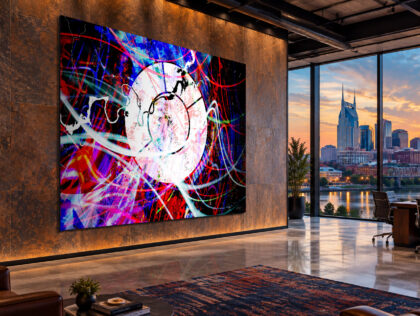
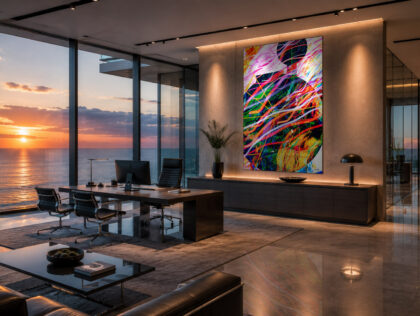
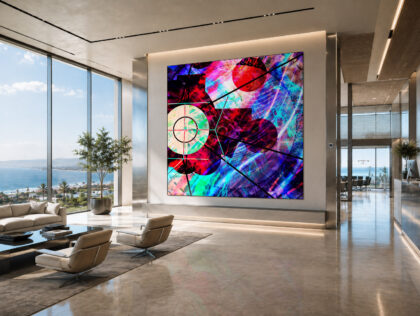
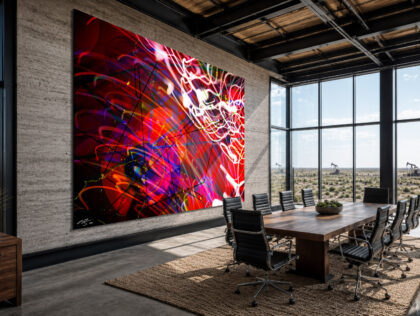
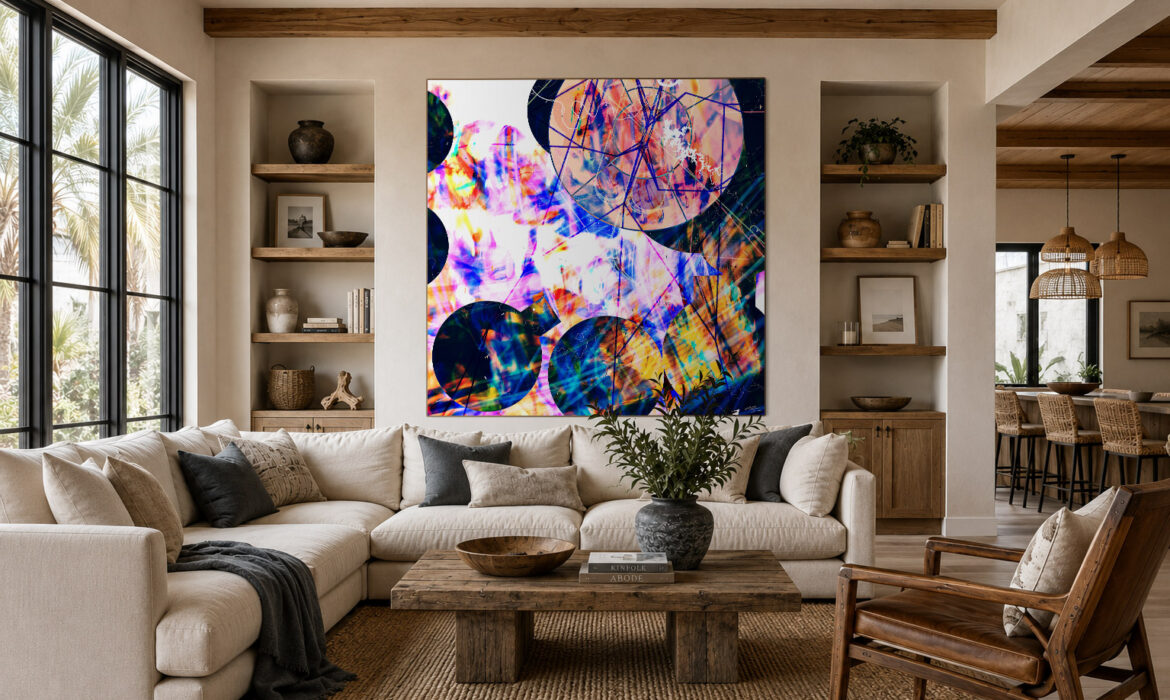
When I returned, I felt clear and focused. That clarity carried directly into the completion of MUUSC, the latest painting in the Charlie series.
As with all work within the Vectors to Final framework, the process incorporates both traditional and non-traditional photography. During my time away, I captured a number of visually compelling aircraft images, some of which are integrated into MUUSC. These images are not decorative additions. They are structural components, informing form, balance, and composition within the final piece.
MUUSC reflects more than completion. It reflects intention renewed, awareness refined, and a process grounded in sustainability rather than exhaustion.
Looking Forward
Several new works are underway, each evolving from the same principles that define Vectors to Final: structure, clarity, and disciplined execution. The body of work continues to expand, guided not by speed, but by intention.
This process has made one thing clear. Meaningful work is not produced through constant motion or unchecked momentum. It emerges through awareness—of direction, of process, and of the human capacity required to sustain it. Honoring that balance has become an essential part of the work itself.
This reflection exists alongside a broader visual practice shaped by responsibility, presence, and disciplined decision‑making. To see how these values take form across my aviation‑informed work, explore the full practice here.