The Myth of Creative Certainty
One of the biggest misconceptions about creating original work is the belief that the process follows a predictable path. From the outside, it can appear that an artist simply sits down, executes a plan, and produces a finished piece.
The reality is far different.
Creativity is not a checklist. It is not mechanical. There is no switch that can be flipped on command. Some days ideas arrive effortlessly. Other days nothing seems to work. Concepts that appeared promising in the beginning can ultimately lead nowhere, while seemingly insignificant details can evolve into the strongest elements of a composition.
Part of being an artist is accepting that uncertainty is not an obstacle to the process. It is the process.
Seven Paths Forward
Recently, I began work on seven new pieces simultaneously. Each one started with potential. Each one represented a different direction of exploration within the Vectors to Final framework. As the work progressed, however, the paths began to separate.
Creating original work often requires living with a piece for a while. Questions emerge naturally. Does this element belong here? Are these lines creating harmony or conflict? Do these colors strengthen the composition or distract from it? Is this concept truly saying something worthwhile? These questions rarely have immediate answers. Sometimes the work reveals them quickly. Other times it takes days or weeks of observation before the right decision becomes clear.
Of those seven pieces, one was ultimately discarded.
Knowing When to Walk Away
Years ago, I would have viewed that outcome as failure. Like many young artists, I became attached to everything I created. Every drawing, every illustration, every concept felt precious simply because I had invested time and effort into it. Experience has changed that perspective. Not every idea deserves to become finished artwork. Some concepts exist only to teach us something before we move on. Others reveal weaknesses that cannot be solved without fundamentally changing the piece itself.
In this instance, the design was simply not strong enough. I spent considerable time exploring solutions, but eventually reached a conclusion that every artist must face from time to time: the piece could not be saved. So I let it go.
That decision is not a sign of failure. It is a sign of growth. Maturity as an artist comes from understanding that preserving quality sometimes requires abandoning work that does not meet your standards. Every discarded design creates space for something stronger to emerge.
Allowing Discovery to Enter the Process
While there are structured and highly analytical components within the Vectors to Final process, there are also moments where structure alone is insufficient. Certain aspects of a composition can be planned. Data can be organized. Photographs can be gathered. References can be analyzed. Construction can begin. But there are other moments that simply cannot be forced. I’ve always known that you must leave room for discovery.
Sometimes an image captured months earlier suddenly reveals significance that I did not initially recognize. Sometimes a particular color combination settles naturally into place after repeated attempts to make something else work. Sometimes a visual relationship appears unexpectedly and becomes the defining element of a piece. The process requires both discipline and openness. There are moments when you exert control, and there are moments when you must step back and allow the work to reveal what it wants to become. Many of the most meaningful discoveries occur that way.
Completing AMORR
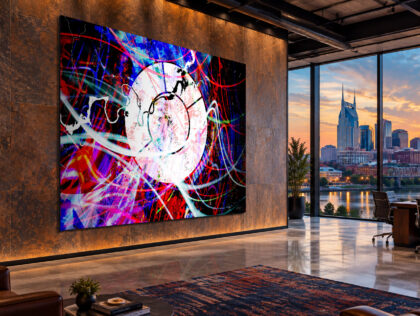
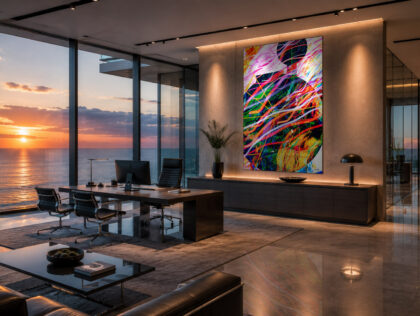
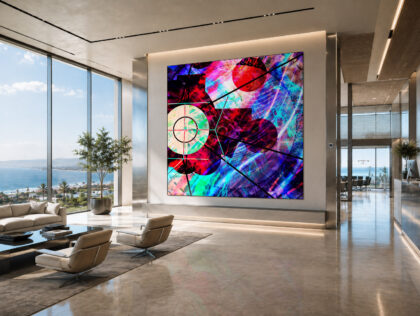
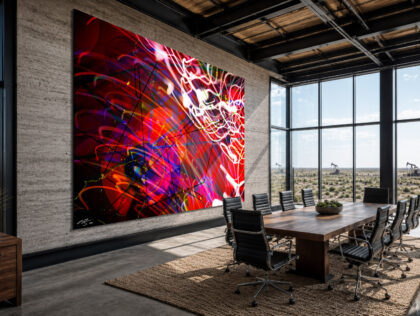
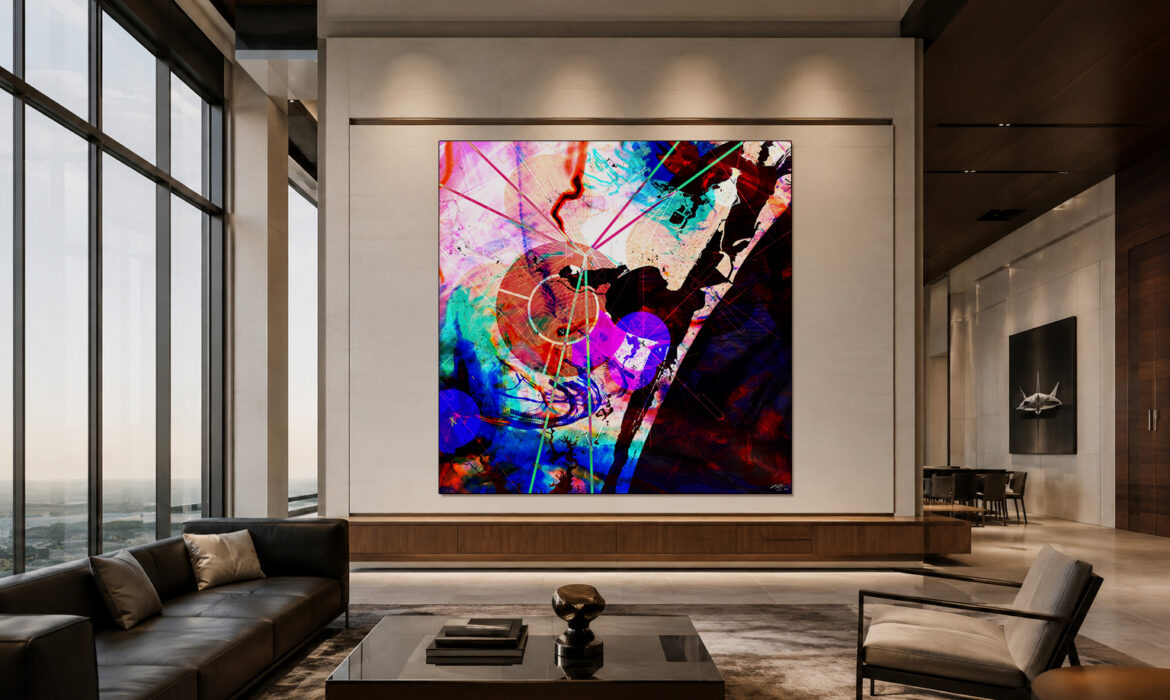
Of the seven works currently in development, two have been completed. One is MUUSC. The other is AMORR. Three additional works remain in the early mechanical stages of construction. Two continue to evolve through active exploration and experimentation.
Like many pieces in the Charlie Series, AMORR emerged through a combination of deliberate structure and unexpected discovery. The final composition incorporates elements that could not have been fully anticipated at the beginning of the process. That unpredictability is one of the reasons creating original work remains so rewarding. No matter how much experience is gained, there is always the possibility of discovering something entirely new.
More Than a Name
The title AMORR was not chosen at random. The names associated with these works often carry significance beyond simple identification. Occasionally, that significance is immediately recognizable only to me. Other times, viewers intuitively sense that there is something more beneath the surface without fully understanding why. That ambiguity is intentional. Not every aspect of a work needs to be fully explained. Some elements are meant to invite curiosity rather than provide answers.
Like many pieces within the Vectors to Final collection, the title AMORR carries a meaning that is deeply personal. It represents another chapter in an ongoing creative journey, one that continues to reveal new possibilities every time I sit down to begin again.
This reflection exists alongside a broader visual practice shaped by responsibility, presence, and disciplined decision‑making. To see how these values take form across my aviation‑informed work, explore the full practice here.