Purpose, Beyond the Self
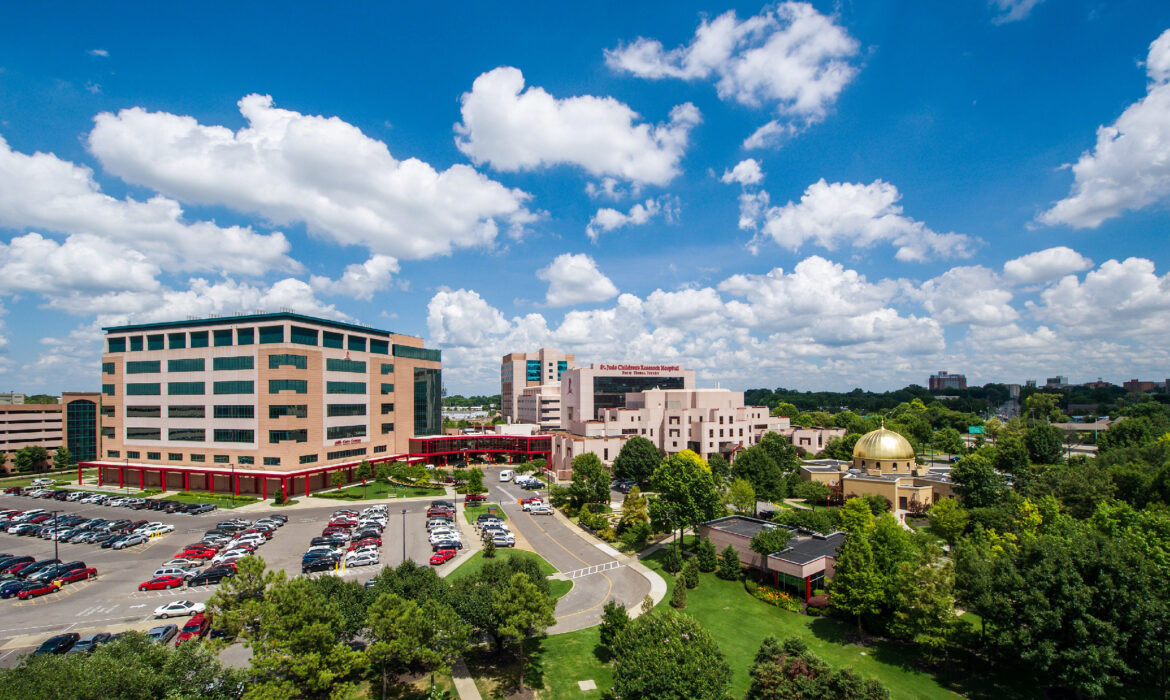
St. Jude Children’s Research Hospital represents something rare in the world. It is a place of global reach and uncommon generosity, where children from around the world come when no other options remain. The commitment behind it—scientific, human, and moral—stands among the clearest expressions of what collective care can look like when it is pursued without compromise.
For some time now, I have had the honor of volunteering there.
I knew, on paper, what I was walking into. Anyone does. The reality of childhood illness—of seeing children endure circumstances no child should have to face—is among the most gut‑wrenching experiences a person can encounter. Every day at St. Jude requires strength, grounded in the understanding that the work serves something far bigger than any one individual. And indeed, the children visibly bear the signs of the hardships they are enduring.
This opportunity did not arise casually, nor suddenly. For much of my adult life, I have felt a quiet but persistent pull to give back—to contribute something beyond my own work, interests, or ambitions. That desire was always present. What wasn’t present was capacity.
For years, personal and professional demands consumed nearly everything I had. Exhaustion wasn’t incidental—it was structural. I was living in a state where obligation took precedence over direction, where even meaningful impulses were difficult to prioritize. I didn’t lack empathy or concern. I lacked margin. I lacked clarity. I lacked the internal space required to act on something larger than immediate survival.
When life narrows in that way, purpose can seem nonexistent. Days are spent responding rather than deciding. You do what must be done, attend to what is urgent, and postpone everything else. Looking outward—to serve, to contribute, to give—requires more than goodwill. It requires a reserve that simply isn’t always available.
Over time, as my life began to reorganize itself, something shifted—not toward ease, but toward alignment. I have always had a natural ability to see people—to sense energy, emotion, and presence without needing explanation. What changed was not that capacity itself, but my ability to apply it meaningfully. I reached a point where my circumstances, abilities, and temperament were finally positioned to support something beyond myself.
That understanding is what drew me specifically to St. Jude.
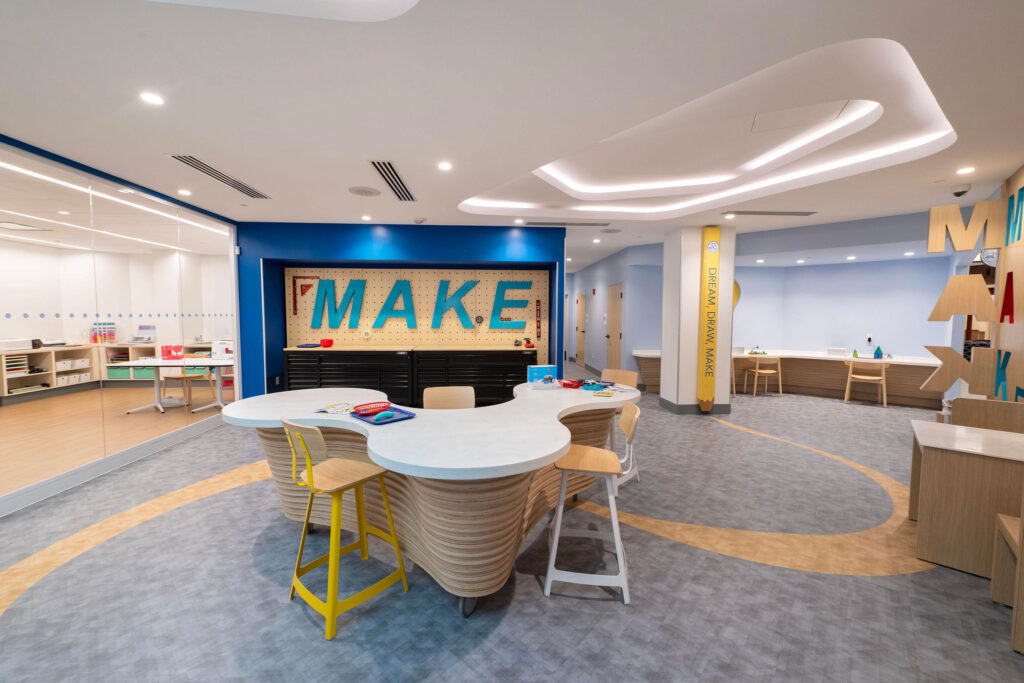
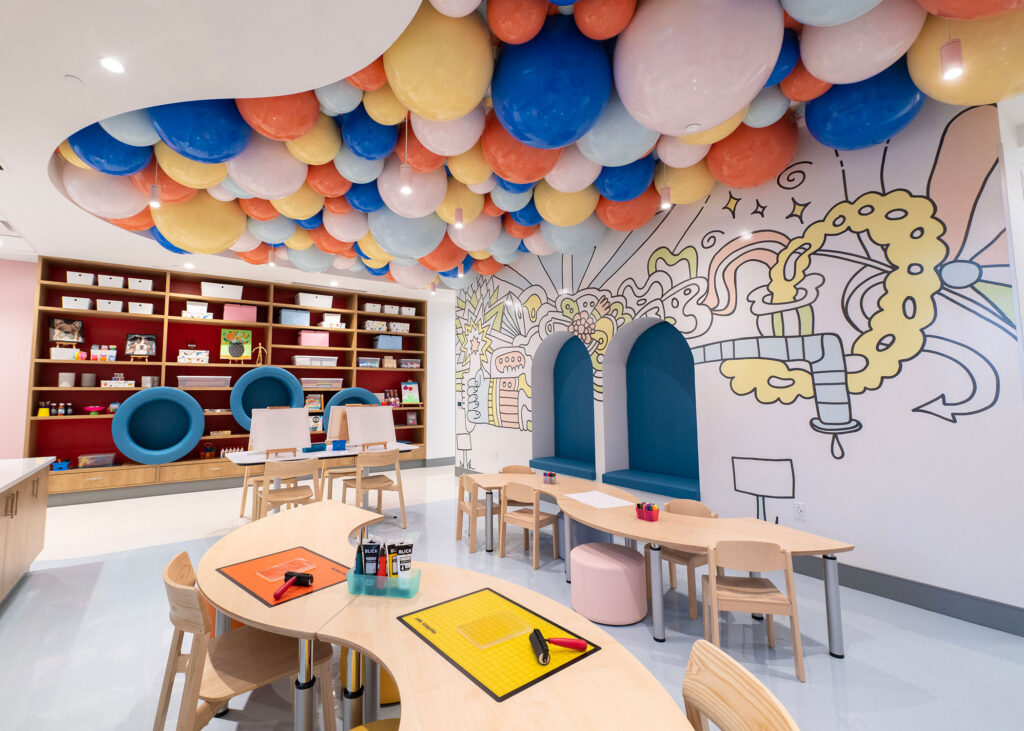
The work I do there involves sharing creative process—introducing color, engagement, and moments of focus into an otherwise overwhelming reality. Creativity, in this context, is not performative. It doesn’t attempt to fix or reframe what’s happening. Instead, it offers moments of relief, positivity, and beauty within circumstances that are often profoundly brutal for children and their families. In some cases, outcomes are uncertain or devastating. Participating in these moments requires commitment, compassion, and the willingness to meet people where they are—fully and honestly.
One day, during a session filled with engagement and laughter involving several children and their siblings, a small girl—around seven or eight years old—walked up to me and said, “You are the nicest person in the world.”
That moment stayed with me.
It wasn’t because of praise, or because it elevated me in any way. It was because it came from a place of unfiltered honesty that only a child possesses—spoken in the midst of hardship, without expectation, without agenda. Despite living in one of the most welcoming and kind communities I have ever experienced, that simple statement carried a weight that was uniquely profound.
These experiences are not about artifacts or outcomes. They are about presence. About showing up with care, generosity, and respect. About contributing something positive into a moment that may otherwise feel heavy or uncertain. The memories being created in those spaces matter deeply, even when they are private and fleeting.
Volunteering at St. Jude has reinforced something I have long believed: creativity is not only about objects, exhibitions, or permanence. It is also about connection. About offering what you can, when you can, without needing to be seen for it. About recognizing when your abilities—shaped over decades—are best used quietly, in service of others.
My life has not become easy, but there is a lot to be excited for. Purpose does not require ease. Purpose lives beyond the self—in the decision to respond when called, and in the willingness to give with humility when the moment allows.
I am deeply grateful to be able to show up in this way, in this place, at this time. Not because it defines meaning, but because it reveals where meaning so often resides: in compassion, generosity, and the choice to contribute to something far greater than oneself.
The Events That Shaped the Work
AABGL was conceived in response to the tragic crash of UPS Flight 2976 on November 4, 2025. Shortly after departing Louisville, Kentucky, the MD‑11 cargo aircraft was lost, resulting in the deaths of the three crew members on board and twelve people on the ground, with many others injured. The suddenness of that loss—and the void it left behind—became a central influence in the work.
The piece was completed on March 23, 2026, which coincided with the seventeenth anniversary of the FedEx Flight 80 accident in 2009. In that incident, an MD‑11 crashed during landing at Narita, Japan, claiming the lives of both crew members. The alignment of these events was unplanned, but meaningful, reinforcing how loss in aviation is not isolated to a single moment or generation.
While this work was nearing completion, another tragic aviation accident unfolded, serving as a stark reminder that loss in this industry is not confined to history or distance, but remains present and immediate.
Loss Beyond the Headlines
While aviation disasters are visible and collective, not all loss arrives with scale or spectacle. Some losses occur privately—through separation, absence, or circumstances outside one’s control. AABGL holds space for both realities.
Rather than distinguishing between public and private grief, the work treats loss as a shared human condition. Whether sudden or gradual, visible or unseen, loss reshapes how structure is perceived and how order is maintained. That tension—between control and vulnerability—runs through every decision in the composition.
Structure as Language
This work does not depict aircraft, instruments, or accidents directly. Instead, it translates aviation principles—alignment, procedural thinking, and system discipline—into a visual language.
Portions of AABGL are constructed using vector geometry, where forms are defined entirely by points and paths rather than pixels. One specific element of the composition required over two million individual points, developed across four months and more than 600 hours of focused work. That process was intentionally demanding. Precision, repetition, and sustained attention are intrinsic to both aviation and this piece.
Photography functions here as an input, not an endpoint. The final image is constructed, not captured—built layer by layer through controlled decisions that mirror the environments from which it draws inspiration.
An Unresolved Space
AABGL does not seek resolution. It does not explain loss, nor does it attempt to provide closure. Like aviation itself, it operates within constraints—where structure holds, even as uncertainty persists.
The work exists as an act of remembrance: measured, restrained, and unresolved. It honors those taken suddenly, acknowledges those left behind, and reflects the discipline required to continue forward when something essential is no longer present.
This work is part of a broader aviation‑informed visual practice that translates discipline, structure, and systems‑based thinking into contemporary form. To see how this approach operates across institutional‑scale work, view the full aviation‑informed visual practice here.