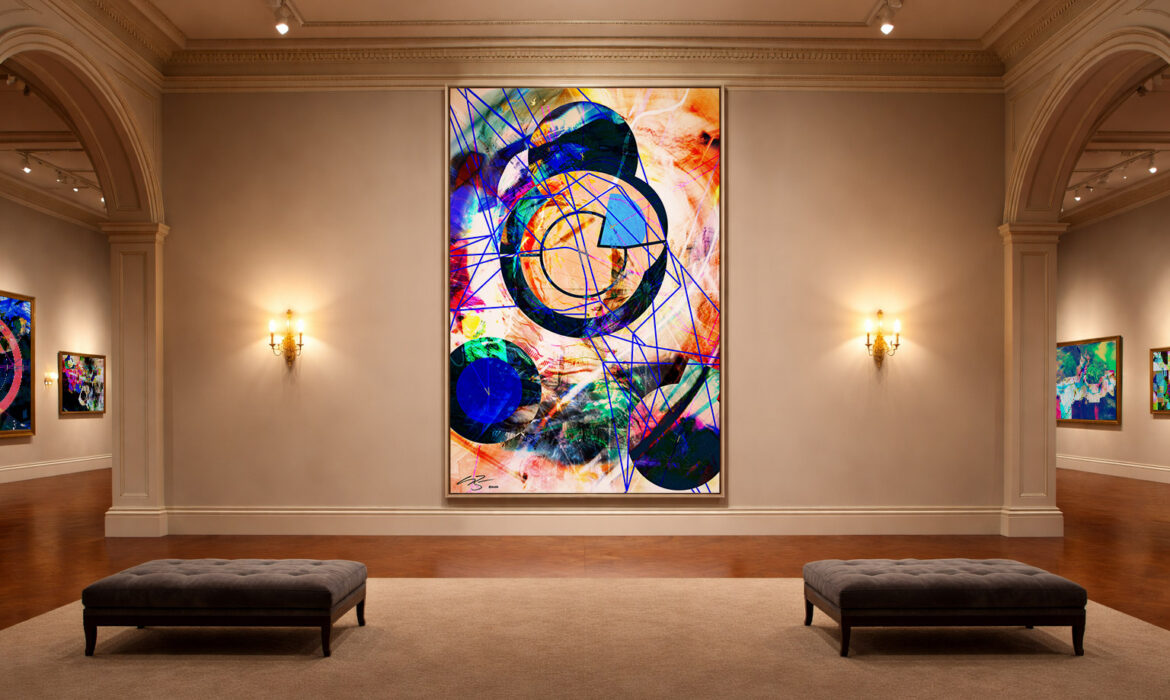
A Work at the Intersection of Aviation, Loss, and Discipline
AABGL is a new work from my ongoing aviation‑informed collection. It examines loss through the lens of structure—how discipline, order, and system thinking attempt to hold meaning when something essential is gone.
I work inside aviation professionally, where precision is not optional and errors carry consequences. When loss occurs in this environment, its effects are felt far beyond a single event. This piece reflects on that reality, while also acknowledging another kind of loss: the quieter, personal separations that don’t arrive with headlines but remain deeply felt.
The Events That Shaped the Work
AABGL was conceived in response to the tragic crash of UPS Flight 2976 on November 4, 2025. Shortly after departing Louisville, Kentucky, the MD‑11 cargo aircraft was lost, resulting in the deaths of the three crew members on board and twelve people on the ground, with many others injured. The suddenness of that loss—and the void it left behind—became a central influence in the work.
The piece was completed on March 23, 2026, which coincided with the seventeenth anniversary of the FedEx Flight 80 accident in 2009. In that incident, an MD‑11 crashed during landing at Narita, Japan, claiming the lives of both crew members. The alignment of these events was unplanned, but meaningful, reinforcing how loss in aviation is not isolated to a single moment or generation.
While this work was nearing completion, another tragic aviation accident unfolded, serving as a stark reminder that loss in this industry is not confined to history or distance, but remains present and immediate.
Loss Beyond the Headlines
While aviation disasters are visible and collective, not all loss arrives with scale or spectacle. Some losses occur privately—through separation, absence, or circumstances outside one’s control. AABGL holds space for both realities.
Rather than distinguishing between public and private grief, the work treats loss as a shared human condition. Whether sudden or gradual, visible or unseen, loss reshapes how structure is perceived and how order is maintained. That tension—between control and vulnerability—runs through every decision in the composition.
Structure as Language
This work does not depict aircraft, instruments, or accidents directly. Instead, it translates aviation principles—alignment, procedural thinking, and system discipline—into a visual language.
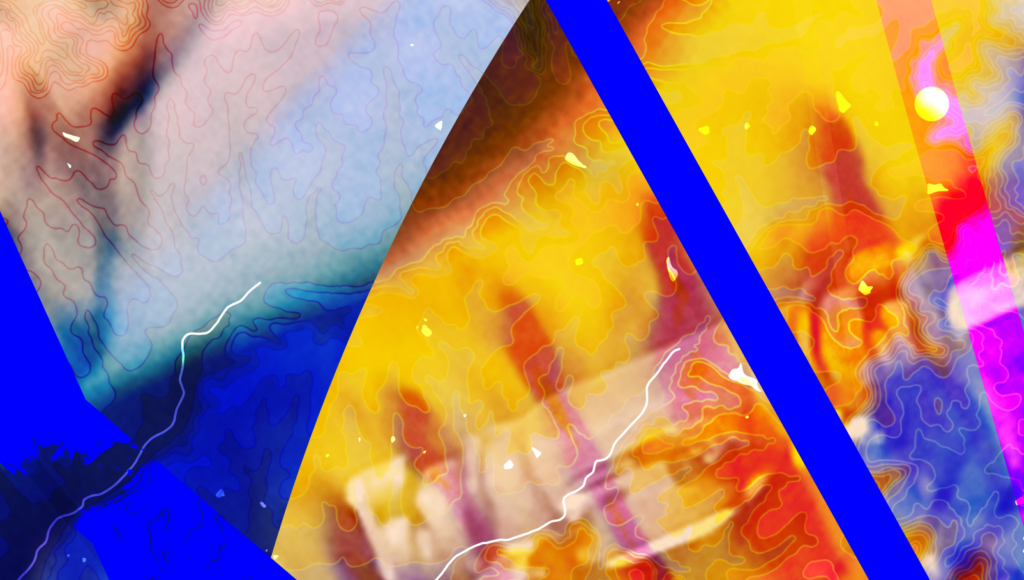
Portions of AABGL are constructed using vector geometry, where forms are defined entirely by points and paths rather than pixels. One specific element of the composition required over two million individual points, developed across four months and more than 600 hours of focused work. That process was intentionally demanding. Precision, repetition, and sustained attention are intrinsic to both aviation and this piece.
Photography functions here as an input, not an endpoint. The final image is constructed, not captured—built layer by layer through controlled decisions that mirror the environments from which it draws inspiration.
An Unresolved Space
AABGL does not seek resolution. It does not explain loss, nor does it attempt to provide closure. Like aviation itself, it operates within constraints—where structure holds, even as uncertainty persists.
The work exists as an act of remembrance: measured, restrained, and unresolved. It honors those taken suddenly, acknowledges those left behind, and reflects the discipline required to continue forward when something essential is no longer present.
This work is part of a broader aviation‑informed visual practice that translates discipline, structure, and systems‑based thinking into contemporary form. To see how this approach operates across institutional‑scale work, view the full aviation‑informed visual practice here.